Walk into any well-run clinic and you will notice something quickly. No two foreheads are the same, no two smiles fold in exactly the same way, and no two sets of brows tug equally against gravity. Botox cosmetic treatment works best when it respects that individuality. A personalized botox plan reads your face like a map, then doses and places with restraint. That is how you get natural looking botox that softens lines without dulling expression.
This is not just about aesthetics. Muscle balance affects migraines, jaw clenching, and even underarm sweating. The right strategy can ease symptoms and upgrade how you feel day to day. I have treated engineers who wanted precision control over their brow lines, fitness instructors worried about heavy lids, violinists with eyelid twitching, and new moms hoping for a quick pick-me-up on a lunch break. The process is the same. Observe. Test. Plan. Then place every unit with purpose.
What personalization really means
Personalization starts before the syringe ever appears. During the botox consultation, a thoughtful injector evaluates muscles at rest and in motion, the skin’s thickness, the pattern of collagen loss, and how you animate during speech. This dynamic view matters more than any single photo. The best botox doctor also screens medical history, prior botox results, and how quickly you metabolize dose.
Two faces with the same complaint can need opposite plans. A man with strong corrugators might require more units of botox for frown lines, spaced a little wider, to unlock the “11s” without drooping the medial brow. A woman with thin skin and baby botox history could look overdone with the same dose. Fine tuning minimizes botox side effects like heavy brows or asymmetric smiles, and shortens botox downtime.
A good rule: dose follows muscle strength, not age. I have injected first time botox at 26 and at 62, yet the younger patient needed more units because his frontalis and glabellar complex were powerful. On the other hand, a 58 year old with fine lines and modest muscle strength achieved a smooth brow with half the amount of his younger counterpart.
Reading face shape, then reading muscles
Face shape sets the frame. Muscle mass, fiber direction, and skin quality decide the details.
Round faces usually have softer bony contours and fuller cheeks. A heavy frontalis can overcompensate, lifting the brows high and etching horizontal lines early. Over-relax the frontalis and the upper lid may feel weighty, making eyes look smaller. The plan tends to favor lower, smaller droplets of botox units across the forehead with some support in the glabella, plus cautious lateral placement to preserve a gentle arch.
Oval faces are forgiving. Balance is the priority, not aggressive change. Subtle botox results fit well here. Crow’s feet often show first, not because the orbicularis is stronger, but because the skin is thin and cheery personalities smile often. Controlled dosing near the lateral canthus smooths rays while keeping a crinkle alive. A true non surgical brow lift botox effect is possible in oval faces with a few well-placed units in the tail area.
Square faces often owe their frame to robust masseter muscles and angled mandibles. Here is where masseter botox shines, slimming the lower face and softening jaw clenching. This is a functional and cosmetic win for many patients with TMJ symptoms. The forehead can be secondary in square faces, but the glabellar complex can be strong. Expect to allocate more units for frown lines and hold back a little on the frontalis to avoid flattening the brow.
Heart-shaped faces bring wider cheekbones and a narrower chin. Too much frontalis relaxation can drop the brows, which compete with already petite lower-face proportions. The trick is to keep the lateral brow alert with micro doses near the tail and restrain the central frontalis. Crow’s feet treatment should be light and lateral, preserving the upturn of young, alert eyes.

Long faces lean on the frontalis to elevate the upper third, sometimes exaggerating vertical length. Balanced dosing with extra attention to elevator versus depressor dynamics prevents a hollow, stern look. When needed, small “depressor quieting” under the tail of the brow can create a modest eyebrow lift botox effect without a theatrical arch.
Muscle strength tells you how many units, not just where
Units of botox needed vary widely. Typical cosmetic ranges still serve as anchors, but personalization shifts the numbers based on palpation, resistance during frown or smile, and previous treatment response.
For botox for forehead lines, the frontalis is thin and broad. A light hand preserves mobility. Strong foreheads might need 10 to 20 units across 6 to 10 micro injection sites. Smaller, “baby botox forehead” dosing uses 6 to 10 units in a wider spread to maintain some movement and prevent brow heaviness.

For botox for frown lines, the corrugators and procerus are compact and strong. A classic pattern falls around 15 to 25 units, tailored to how deeply the “11s” cut and how strongly the brows pull in. I test by asking for a deep frown, feeling the muscle ridge, and noting symmetry.
For botox for crow’s feet, think thin skin over a fan-shaped orbicularis oculi. Most adults land around 6 to 12 units per side. Strong smilers, outdoor athletes, and those with photoaging often benefit from the higher end, still keeping some lateral crinkle to avoid a glassy look.
For lip flip botox and gummy smile botox, restraint matters. Usually 2 to 4 units at the Cupid’s bow for a flip, possibly 2 to 6 units on the elevator muscles for gummy smile, adjusted after watching you speak. Too much, and articulation feels odd for a week or two.
Masseter botox, used for jawline botox or TMJ botox treatment, is a different scale. Most first-timers need 20 to 40 units per side, sometimes more in men or heavy clenchers. Repeat treatments often require fewer units as the muscle trims down. The goal is quiet strength, not chewing weakness.
Neck botox for platysmal bands ranges widely, often 20 to 60 total units, placed along the visible cords. This is not a facelift. But it can soften vertical bands and improve jawline definition when paired with jawline botox or skin tightening.
Micro botox or “skin botox” techniques use highly diluted product in the dermis to reduce pore appearance and fine, superficial crinkles. This works best on cheeks and T-zone for patients interested in botox for pore reduction or botox for oily skin. It will not lift, but it can refine texture for 2 to 4 months.
Balancing movement, not freezing it
Most patients ask for natural looking botox. They want fewer wrinkles and less makeup settling into lines, but they still want to frown lightly, lift brows during a story, and smile without a flat, mask-like effect. That is achievable when you respect the push-pull system of the face. Elevators and depressors debate slowly over your brow position. If you knock out elevators too much, depressors win and the brows drop. Quiet depressors strategically, and you can raise or refine the brow arch without over-relaxing the frontalis. This is the logic behind a tasteful botox brow lift.
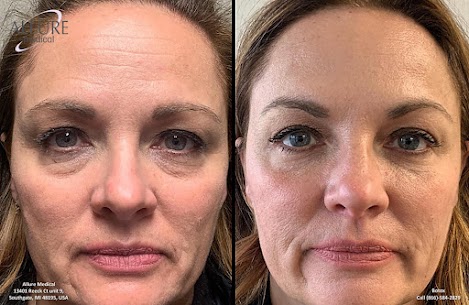
I handle strong frontalis patients by treating glabellar complex first, then adding modest forehead units. For delicate brows or small foreheads, I begin laterally and test lift before addressing central lines. Men often require more units for the same effect, especially in the glabellar complex and masseters, which is why brotox for men usually sits at the higher end of unit ranges.
The first appointment, mapped out
A focused botox appointment typically runs 20 to 30 minutes. After photos help track botox before and after changes objectively. I ask you to make faces: lift, frown, squint, flare nostrils, grin wide. I palpate muscle edges, tap bony landmarks, and draw dots with a surgical pen. We discuss priorities. Do you hate the “11s” more than forehead lines? Are you open to a subtle non surgical brow lift botox effect, or do you prefer a straight brow? Do you clench at night? Any migraines? These answers can redirect a plan.
Numbing cream is rarely needed for botox injections because the needles are fine and the product flows easily. Each injection site takes seconds. Most people leave with pinpoint marks that settle within an hour. Makeup can go on gently after 20 minutes, but I suggest you hold off if possible.
Aftercare that preserves your result
Patients often ask two things right away: how soon does botox work, and what not to do after botox. You will start noticing changes in 2 to 5 days, with full botox results at 10 to 14 days. As for care, keep the head upright for several hours, avoid vigorous rubbing, hats that compress the brow, and strenuous workouts that day. Sleep on your back if you can the first night. Light walking is fine. If your routine demands a sweat session, wait 24 hours. The question “can you work out after botox” has nuance, but intense exercise immediately after can shift product subtly in rare cases.
Alcohol is best avoided on treatment day. If you ask “can you drink after botox,” a glass of wine the following day is generally fine, though skipping alcohol for 24 hours reduces bruising risk. Any small bruises can be covered the next day. Full botox recovery time is short, which is why it fits into busy schedules.
Customizing by concerns, not just areas
Static maps and canned doses miss the point. Your plan should match your goals. Some examples help.
A 34 year old lawyer with a long oval face and early forehead lines wanted preventative botox that kept her expressive style at the firm. We placed 8 units in the frontalis as 8 micro deposits, 18 units across the glabella, and 10 units at the crow’s feet, with 2 units per side for a subtle eyebrow lift botox effect. She kept lateral brow lift, lost the harsh lines when she squinted at spreadsheets, and her colleagues noticed only that she looked less tired.
A 42 year old runner with a heart-shaped face and heavy lateral pull complained that her makeup settled into crow’s feet and her brows angled downward during the day. We redistributed the plan: lower central frontalis dosing, modest orbicularis dosing laterally, and a tiny depressor relaxation to “open” the tail. The correction was not about more units. It was about where to spend the budget.
A 29 year old man with square features and jaw pain came for TMJ relief and facial slimming. We used 30 units per side in the masseters, planned a touch up at 6 weeks if chewing felt uneven, and skipped forehead dosing entirely at that visit. At three months he returned with less grinding, fewer migraines, and a softer jawline. Then we added a conservative 14 unit glabellar plan to tame his “11s.”
Therapeutic uses that carry cosmetic benefits
Therapeutic botox plays a bigger role than many realize. Migraines botox treatment follows a standardized map for chronic migraine, different from cosmetic injection sites. Still, even partial migraine patterns respond to careful dosing in the frontalis and temporalis. Blepharospasm and eyelid twitching improve with small injections that quiet the overactive muscle bundles. Hyperhidrosis botox treatment in the underarms or palms changes quality of life for heavy sweaters. Sweating drops within days and stays low for 4 to 6 months or longer.
These are medical botox uses with distinct dosing and consent. They often coexist with cosmetic goals. If you are exploring botox for migraines or botox for excessive sweating, you can integrate sessions with facial rejuvenation botox, as long as the injector plans the timing and product allotment.
How long does botox last and how often to get it
Botox maintenance is a rhythm, not a rigid schedule. Most people enjoy results for 3 to 4 months. Athletes with high metabolism or people with strong muscle mass can see a shorter window, around 2.5 to 3 months. With repeated treatments, especially in areas like the glabella and masseters, the muscle trims and the interval can lengthen. Preventative botox does not mean heavy dosing. It means consistent, light treatments before deep, etched lines form.
A botox touch up at 2 weeks can fix minor asymmetries. Good clinics offer small adjustments at that mark. Past 4 weeks, a touch up is essentially a new session because the product has already bound and the clinical picture has stabilized.
Safety, side effects, and realistic expectations
Is botox safe? When performed by a trained professional using FDA-approved product at appropriate doses, botox injections have a strong safety profile. Common side effects include small bruises, tenderness botox at injection sites, and rare headaches. Eyelid or brow ptosis happens infrequently and usually resolves as the product fades. Avoidance strategies include correct placement, conservative dosing for first time botox, and proper aftercare. Disclose all supplements and medications at your botox consultation. Blood thinners and fish oil increase bruising risk.
Do not expect botox for sagging skin or deep folds to work like surgery or fillers. Botox relaxes muscles, which softens dynamic wrinkles. It does not replace volume. That is where filler, biostimulators, or surgery may be the right tool. A personalized botox plan should address only what botox can do, and refer to other treatments when needed. Patients who ask about botox versus fillers deserve clear guidance. Fillers add structure and fill in deficits, botox relaxes movement. Often, botox and fillers work well together when carefully sequenced.
Pricing, units, and value
How much does botox cost depends on geography, provider expertise, and whether pricing is per unit or per area. Transparent clinics list botox pricing per unit and estimate typical ranges per area, then confirm a final number after your assessment. Beware of suspiciously low botox deals. Dilution tricks or poor technique can cost more when you return for corrections. Affordable botox does not mean the cheapest syringe. It means the smallest effective dose in the right places, which saves you units over time.
Packages or a botox membership can be helpful if you maintain regular treatments. The best botox clinic for you will be the one that listens, photographs results, remembers your preferences, and adjusts as your face changes with seasons, stress, and age.
Men, women, and nuanced differences
Botox for men shares the same principles but starts with higher muscle mass. Men often prefer a straighter brow and more preserved movement. The plan usually uses more units of botox for frown lines and crow’s feet, and a restrained frontalis to avoid arched brows. Brotox for men is not a different product, just a different approach.
Botox for women often leans toward subtle lift and softening. Many women value a touch of lateral brow support and delicate crow’s feet control that keeps a twinkle. Lip flip botox is more common among women, though men request it too. Gender tendencies are not rules. A personalized botox plan follows your aesthetic language, not stereotypes.
Baby botox, micro botox, and the art of restraint
“Baby botox” refers to small unit counts per area to maintain mobility. It is popular with camera-facing professionals, teachers, and new users. It is also a smart way to pilot your personal dose. Micro botox uses diluted product superficially, primarily for texture and oil control. The two can be combined, with baby botox at movement muscles and micro botox on the cheeks or T-zone.
New patients sometimes ask for the maximum allowable units, assuming more equals better or longer. That can backfire. Over-treatment in the forehead flattens expression and can pull brows downward. The better approach layers results. Start with enough to see clear change, then add if needed at two weeks.
Special areas and edge cases
Bunny lines, the fine diagonal creases along the bridge when you smile, can be softened with tiny aliquots on each side of the nose. Use them sparingly to avoid altering smile mechanics. Chin dimpling from an active mentalis responds beautifully to a few units, smoothing the pebbled texture. Smiles that pull down at the corners sometimes improve with careful depressor anguli oris dosing, though this is advanced and must be conservative.
For eyelid twitching, dosing is tiny and precise. For acne-prone or oily skin, micro botox has a real, if modest, effect on pore appearance and shine. For underarm sweating, a mapped grid ensures even dryness, lasting several months. People who sing, teach fitness, or speak for a living should tell their injector about occupational demands. The plan will prioritize expression in areas you rely on.
Results, photos, and the patience window
Botox before and after comparisons are most honest at the two-week mark in neutral and animated views. Your selfie right after injection tells you nothing. Let the product bind. At one week, you will notice change. At two weeks, you can assess symmetry. If something feels off, call your clinic. The adjustment might require a unit or two, not a major redo. Many of my patients keep a simple photo routine in similar lighting to track subtle differences, which helps refine future visits.
When does botox wear off? The fade is gradual after the two to three month peak, not an overnight switch. Movement returns slowly. This is normal. It gives you time to plan your next visit without a jarring shift in expression.
A practical way to prepare and maintain
- Arrive with a clean face and a list of medications and supplements. Tell your injector about upcoming events, workouts, and travel so timing aligns with your lifestyle. Limit alcohol and high-dose fish oil for 24 to 48 hours before and after to reduce bruising. Keep workouts light the day of treatment. Clarify your top priority area. If budget is limited, spend it where you notice it most, then build the plan over time. Schedule a two-week check. Photographs at rest and with expression help refine your next session. Maintain a calendar. Most people repeat every 3 to 4 months, with occasional touch ups as needed.
Where to get treated and what to ask
Searches for botox near me for wrinkles or best botox clinic are a start, but vetting matters more than marketing. Look for medical oversight, experience across genders and ages, and transparent botox cost per area or per unit. Read botox patient reviews for consistency, not just star ratings. Schedule a true botox consultation, not a rushed hallway chat.
A few smart botox consultation questions sharpen the plan. Ask how many units they anticipate for your glabella, forehead, and crow’s feet. Ask how they prevent brow heaviness. If you are exploring masseter botox, ask how they map injection points and what to expect in weeks two to four. If migraines or sweating are concerns, ask whether medical botox is an option and what documentation is needed.
When to blend botox with other treatments
There is a tipping point where etched, static lines are better served by skin quality treatments or fillers. For deeply set forehead creases, you can pair baby botox with energy-based resurfacing or a tiny filler thread placed by an expert. Around the mouth, botox for smile lines is limited because those lines are driven by volume loss and skin elasticity. Fillers or collagen stimulators do more heavy lifting there. The best outcomes come from pairing modalities in a sequence that respects healing and the physics of tissue.
The subtlety that keeps people guessing
People often describe the best botox results with words like rested, open, and polished. Not “done.” The final look depends on more than dose. It rests on the injector’s judgment, your face’s architecture, and how you animate in real conversation. Personalized botox plan means the map changes as you change. New job, new stress, new haircut, heavier lifts in the gym, seasonal dryness pitting your makeup differently, even a new pair of glasses changing how you squint. If your clinician pays attention, your plan evolves with you.
Botox is a tool. In the right hands, it is a pencil more than an eraser. We sketch in lift where the face needs air, soften pull where tension hides, and keep the features you love. The aim is finesse over force.
A brief comparison with neuromodulator cousins
Dysport vs botox and Xeomin vs botox can matter for certain patients. Dysport tends to diffuse a bit more, useful for broader areas like the forehead, though technique controls spread more than brand. Xeomin is a “naked” toxin without complexing proteins, a good alternative for those who believe they respond less to other products. Most people do well with any of the three. Consistency with one product helps track dose-response, but switching is fine when there is a clear reason.
Final thoughts on planning your next steps
If you are new, start modestly. Focus on your top concern, then assess after two weeks. If you have used botox for years, consider whether your face has changed shape or your muscles have softened. Your old map might be outdated. Personalized botox treatment is not a one-time recipe. It is a conversation worth revisiting every visit.
For many, the payoff is bigger than a smooth photo. Relieved tension headaches after glabella dosing. Less jaw ache and fewer cracked fillings after masseter treatment. Makeup that sits better. Skin that reflects light more evenly. Small upgrades, multiplied.
Schedule your botox appointment when you have two easy weeks afterward for follow-up if needed. Bring clear priorities, an open mind, and the patience to let the medicine work. The result should look like you on a good day, most days.